THE LARGEST MASSACRE IN THE ISLAMIC REPUBLIC'S HISTORY
JANUARY 2026
Perpetrators of Mass Killings During Iranian Protests
From UANI's letter to the World Economic Forum (Jan 15, 2026)
INTELLIGENCE ASSESSMENT: This documentation is based on two PDFs published by United Against Nuclear Iran (UANI): the Tharallah Headquarters report (January 2026) and UANI's letter to the World Economic Forum (January 15, 2026).
This page is based on two PDFs published by UANI (United Against Nuclear Iran): the Tharallah Headquarters report (January 2026) and UANI's letter to the World Economic Forum (January 15, 2026). The letter reports an estimated death toll of 12,000-20,000 over a few days, 18,434 arrests, 1,134 severe injuries, 97 forced confessions, and 400+ eye injuries (in one Tehran hospital).
TABLE OF CONTENTS
01THE UPRISING BEGINS
The protests unfolding in Iran in the winter of 2025–26 must be understood within the longer cycle of contention and repression that has shaped state–society relations over the past decade. The demonstrations take place against the backdrop of heightened regional tensions with Israel and U.S. President Donald J. Trump's warning that America would intervene if the regime kills protesters.
The Islamic Republic has used this context to frame domestic dissent as a security threat rather than the expression of social or political grievances. This external environment has allowed the state to securitize protest more quickly and to justify extraordinary coercive measures using the language of national defense and resistance.
Nationwide Scope
Protests rapidly spread from Tehran to other cities. Demonstrators called for the overthrow of the regime and an end to the Islamic Republic. This caused the regime to view the situation as an existential threat.
02ESCALATION: WHITE → ORANGE
January 2026 Massacre Timeline
The largest massacre in the Islamic Republic's history
Security Color Code System
The regime uses a color-coded system to classify threat levels and determine command authority: White (initial alert), Orange (escalation), and Red (existential crisis).
Under the Orange situation, the IRGC Mohammad Rasulullah Corps takes operational command, controlling and deploying the forces. The deputy for intelligence assumes overall command responsibility at Tharallah Headquarters.
- •Police Intelligence Organization (IPO) assigned to suppress specific areas
- •MOIS tasked with confronting workers in communications industry
- •Basij Intelligence units for identifying and tracking protest leaders
03RED SITUATION: THE KILL ORDER
REPORTED LIVE FIRE ORDER
Supreme National Security Council (SNSC)
"The Supreme National Security Council (SNSC) reportedly issued an order to use live fire on Iranian civilians protesting."
— UANI WEF Letter, January 15, 2026
What The Letter States
- ▶Abbas Araghchi is described as an SNSC member
- ▶The letter says the SNSC "reportedly" issued a live-fire order
Immediate Result
Tharallah HQ assumes COMPLETE control of Tehran. All security forces fall under unified command.
The Red situation is declared when the demonstrations have spread throughout the country, and the survival of the regime is under imminent threat. If the Red situation is announced in Tehran, it means the IRGC Mohammad Rasulullah Corps has failed to neutralize the threat, and protests have spread in scope and scale.
During these circumstances, the Tharallah Headquarters takes complete control of all operational decisions. SHAK gives the Tharallah Headquarters complete control over Tehran. All policymaking bodies, organizations, police, Basij, IRGC corps, and intelligence bodies fall under unified command.
04THE COMMAND CHAIN
The UANI report details the Red Situation command structure: in a crisis, SHAK (the Interior Ministry's National Security Council) mandates Tharallah HQ to assume full authority over Tehran. UANI's WEF letter also states the SNSC "reportedly" issued an order to use live fire.
Red Situation Command Structure
In Red Situation, Tharallah HQ assumes COMPLETE control of Tehran
Source: UANI Tharallah Report - Page 53
Entities Under Tharallah Command
- •All policymaking bodies (Tehran municipality and city council)
- •All organizations (including banks)
- •Police, Basij, IRGC Mohammad Rasulullah Corps
- •Intelligence bodies (Office of Tehran Intelligence, Herasat networks)
- •Some religious associations (heyat networks)
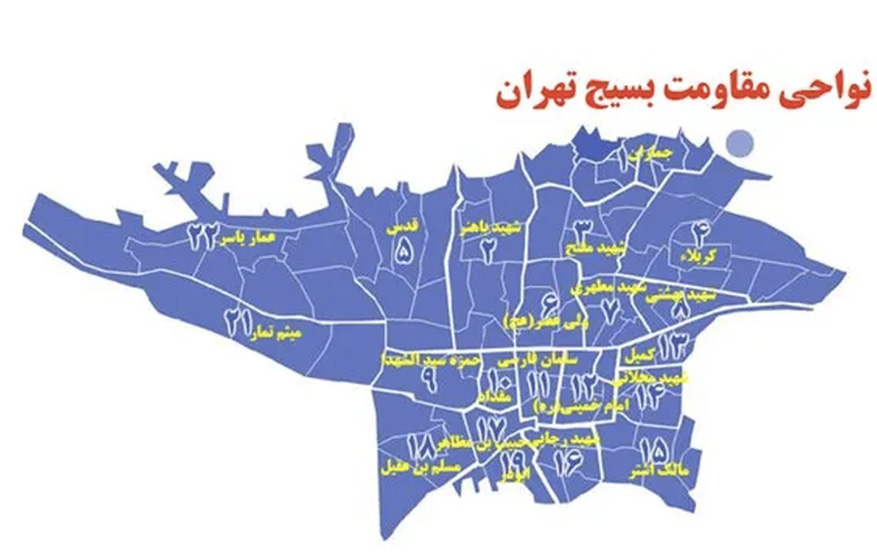
Tehran Basij Regions Map
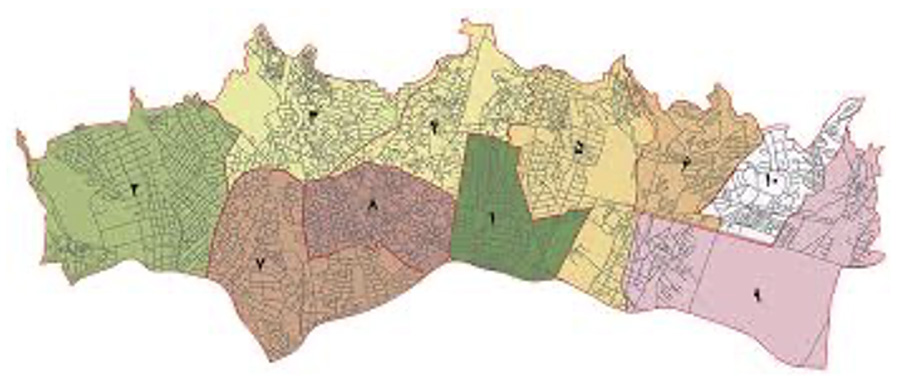
Tehran Municipality Regions
05PREMEDITATED KILLING: SNIPER DEPLOYMENT
Primary documents obtained from the IRGC's Imam Ali Battalion Headquarters reveal that in protest hotspots and sensitive locations, the Imam Ali Battalions even deploy "snipers to target [protest] leaders" across rooftops close to rioting areas.
Internal Orders (Original Farsi Text)
Plainclothes Units
Plainclothes units "blend in with suitable appearance...identify protest leaders...track them down, identify their home locations" for either arrest or targeting by operational teams.
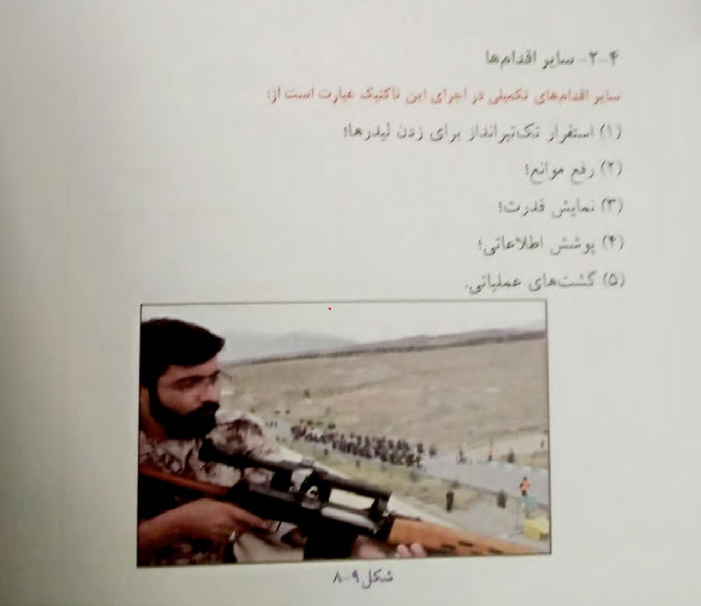
Page 55: Imam Ali Battalion Internal Manual on Sniper Deployment
06THE MASSACRE: JANUARY 2026
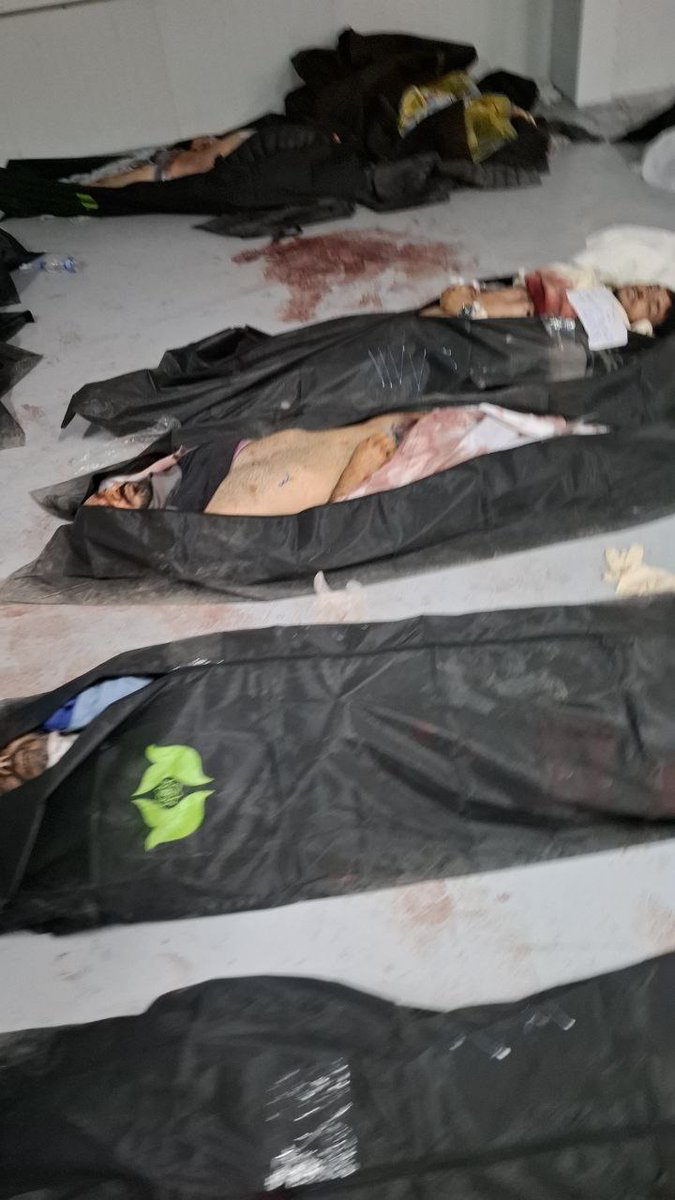
Kahrizak Morgue - January 10, 2026
Visual evidence of the massacre's scale
The Iranian regime carried out what some believe to be the largest massacre in its history. In UANI's January 15, 2026 letter to the World Economic Forum, the estimated death toll is described as at least 12,000 and up to 20,000 over the course of a few days in January.
12,000–20,000
Killed (estimate - UANI letter)
18,434
Documented arrests
07THE VICTIMS
400+ Eye Injuries at Single Hospital
An ophthalmologist in Tehran documented more than 400 eye injuries from gunshots in a single hospital. Evidence suggests Iranian state suppression forces deliberately shot protesters' eyes and genitals.
— The Guardian, January 2026
97 Forced Confessions Broadcast
Iranian regime media broadcast at least 97 forced confessions, featuring handcuffed detainees with blurred faces coerced into admitting to "rioting" and "foreign plots" following reported physical and psychological torture.
— Associated Press, January 13, 2026
Detention Center Alef-1 - Unprecedented Torture
Tharallah Headquarters operates detention centers independent of the Prison Organization. Reports indicate the use of beatings and other methods to obtain forced confessions at Alef-1 is unprecedented.
— UANI Tharallah Report
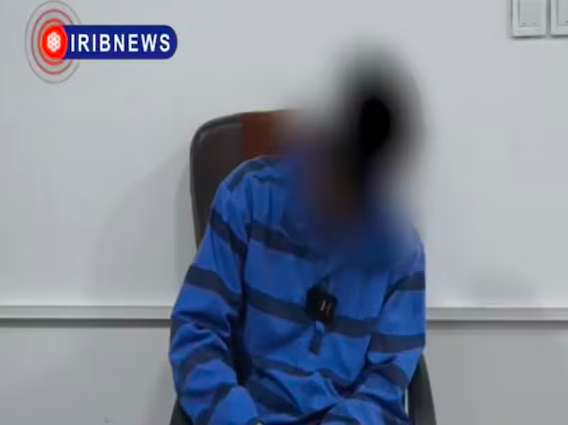
Forced confession broadcast on IRIB
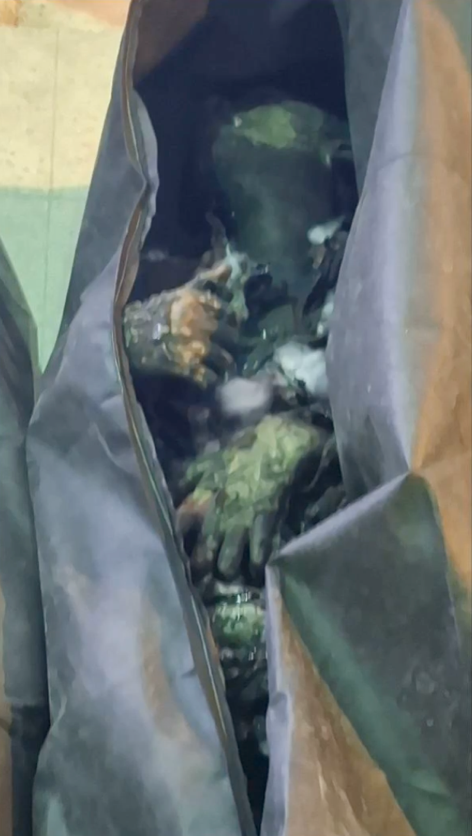
Photo referenced in UANI WEF letter (page 2) - Jan 10, 2026
08THE PERPETRATORS
This page compiles individuals named in leaked documents and tables reproduced in the UANI PDFs (including Tharallah/IRGC commanders, deputies, and axis commanders). UANI's WEF letter also references the SNSC's reported role in issuing a live-fire order.
Colonel Brigadier Pasdar Alireza Mahi
Position: Colonel, Tharallah Headquarters
Source: Document signed by Hossein Nejat, Page 39 UANI Report
SUPREME COMMAND
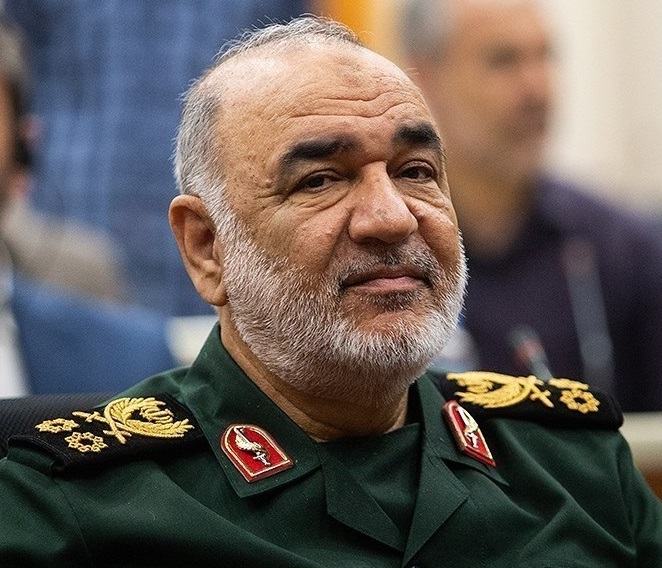
Hossein Salami
Commander-in-Chief, Islamic Revolutionary Guard Corps (IRGC)
THARALLAH COMMANDER
Hossein Nejat
Commander, IRGC Tharallah (Sarallah) Headquarters
OPERATIONAL COMMAND
Alireza Rabiei
Deputy for Operations, Tharallah Headquarters
Hossein Namdari
Deputy for Information Communication Technologies, Tharallah Headquarters
Shahrokh Dezfully
Secretary, Cyber Committee, Tharallah Headquarters
CORPS COMMANDER
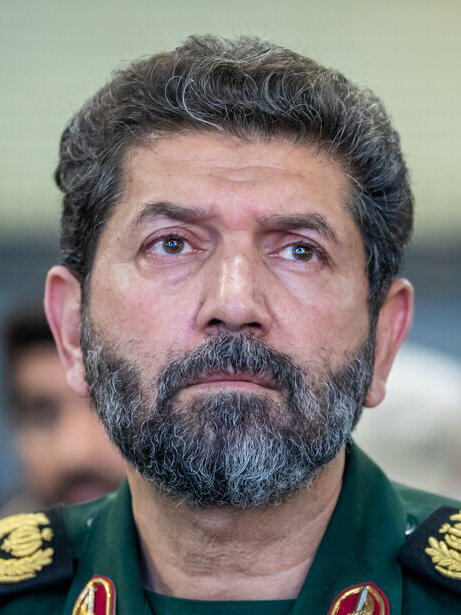
Hassan Hassanzadeh
Commander, IRGC Mohammad Rasulullah Corps, Greater Tehran
Alireza Mahi
Colonel, Tharallah Headquarters
Pirhadi
Commander, Basij Municipality Tehran
AXIS COMMANDER
Sardar Banaei
Commander, Bazaar Operational Axis, Operational Division
Sardar Khorasani
Deputy for Defense Security; Commander, Mirza Operational Axis
Yarmohammadi
Commander, Tehran Pars Operational Axis
Ghassam
Commander, Haft Houz Operational Axis
Soheil Goushanis
Commander, Towhidi Operational Axis
Seyed Mohammad Hashemi
Commander, Saadat Abad Operational Axis
Mollataheri
Commander, Akbatan Operational Axis
Abedini
Commander, Nazi Abad Operational Axis
Farokhshahabi
Commander, Tehransar Operational Axis
SNSC (REPORTED LIVE FIRE ORDER)
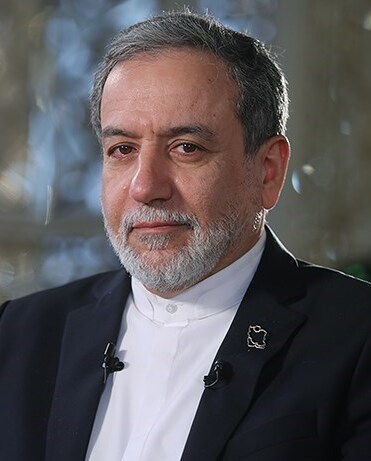
Abbas Araghchi
Foreign Minister of Iran, Member of Supreme National Security Council (SNSC)
09EVIDENCE ARCHIVE
UANI (United Against Nuclear Iran) has published internal Tharallah Headquarters documents including sniper deployment manuals, force deployment tables, and command structure charts. This archive includes only evidence related to the January 2026 massacre - historical images have been excluded.
Curated Evidence Archive
Evidence reproduced from the UANI PDFs (January 2026)
END OF ACCOUNTABILITY DOCUMENTATION
12,000–20,000
12,000-20,000 Lives Lost (Estimated). Never Forgotten.
This documentation will be updated as additional verification sources become available.